
ABOUT ACQUIRED BRAIN INJURY (ABI)
An acquired brain injury (ABI) is an injury to the brain occurring any time after birth. This could be the result of an infection, illness, lack of oxygen, brain tumour or a bump/fall to the head. Children who have sustained a brain injury as the result of a bump or fall are sometimes referred to as a traumatic brain injury (TBI). Children who have sustained an ABI as the result of an infection or illness such as encephalitis or meningitis, may be referred to as a non-traumatic ABI. You may also hear ABI being referred to as a head injury.
The brain is complex and controls our movement, thoughts, feelings, behaviour, memory, speech, sight, hearing and other senses. This means outcomes for ABI can vary greatly, and can also depend on a persons age. If an adult sustains an ABI, the effects may be clearly evident soon after the event, but for children it can be different. Due to children’s brains continuing to develop into early adulthood, it can take months or years for the full impact of the injury to become evident.
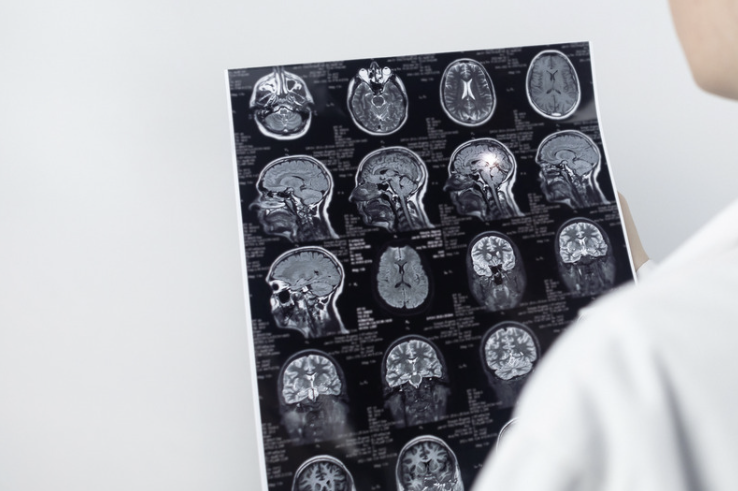
After the initial acute illness/injury leading to an ABI, children can often look like they are making a good initial physical recovery, however, the impact to the brain can lead to what is considered a “hidden disability” – with physical and/or neurocognitive difficulties. This can leave the young person with significant differences in their brain, which if left unaddressed can lead to significant areas of difficulty across the individual’s life. It may not initially be apparent that a child/young person has sustained an ABI until the child reaches later in childhood/adolescence when particular cognitive functions are expected to develop.
For example, some children may start to display difficulties on transition to secondary school when they are suddenly expected to take on more responsibility for planning/organisation, but where their executive function skills may have been impaired due to their underlying ABI. It is therefore important to recognise this early and offer support. For this, referral to a Paediatric Neurology / Paediatric Neurodisability team with input from Paediatric Psychology may be important to recognise and support children and families.
Children with an ABI may present with difficulties later in childhood and adolescence when cognitive skills and abilities should be coming online. Children are initially likely to require intensive rehabilitation during their hospital stay – this may be from professionals such as a physiotherapist, occupational therapist (OT), and/or speech and language therapist (SaLT). Once a child is discharged from hospital they are likely to require ongoing input from community therapy teams that may include the above professionals. This will depend on the child’s outcome and ongoing needs.
Children may experience ongoing difficulties in the following areas:
- Motor functions
- Fine motor abilities
- Gross motor abilities
- Speech, Language & Communication
- Fatigue
- Sleep
- Sensory processing – this relates to how the brain processes sensory information. Some children may have difficulty processing sensory input following their ABI which leads to over-sensitivity or under-sensitivity to sensory input. For example some children may seek out certain sensory input or avoid others (eg. noise, smell, taste, vestibular, proprioception, interception)
- Emotions – this could include:
- low mood/depression
- anxiety, frustration/anger
- low self esteem/confidence)
- Behaviour – this may include:
- difficulties managing their behaviour
- impulsive and/or disinhibited behaviour (possibly linked to executive function difficulties)
- Cognition & Learning
- Attention/Concentration – difficulty sustaining their attention and concentration
- Processing Speed – may need additional time to process information.
- Executive Function – difficulty with higher level cognitive functions such as regulating emotions and/or behaviour, planning/organisation and working memory
- Memory
- Epilepsy/Seizures
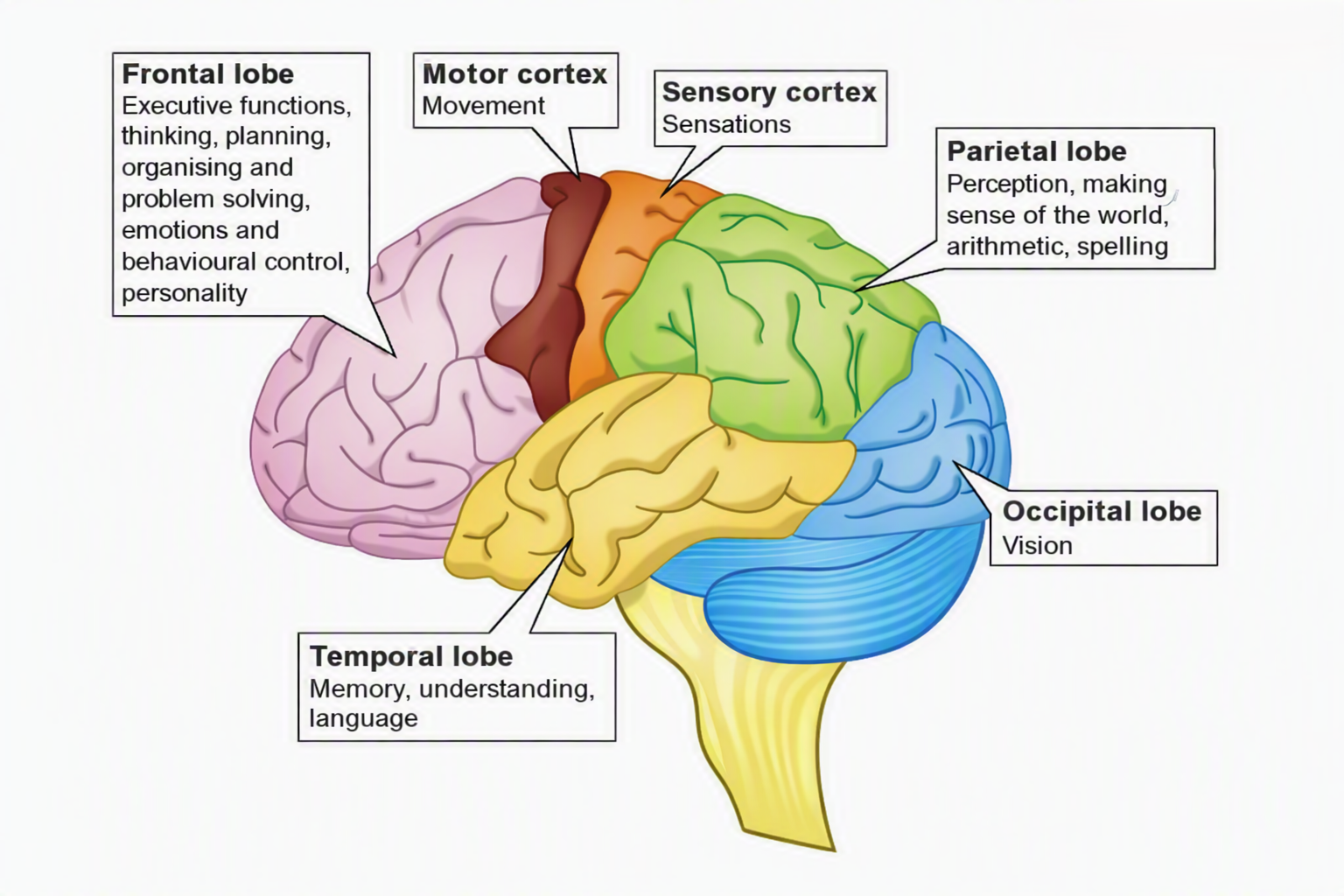
These areas of difficulty may be related to injury to a specific area of the brain such as those detailed in the picture above. It is important to recognise, however, that in a young developing brain these difficulties may emerge due to changes/disruptions to the connections within the brain as the child is developing/growing throughout childhood and adolescence. This is why children/adolescents may present with difficulties that emerge over time, as years later when abilities and skills should be developing the injury to the brain may result in a delay or disruption to specific skills and abilities being developed. Children may therefore present with a patchy profile of specific areas of strength and difficulty which may relate to a number of factors such as age at time of injury, access to treatment and rehabilitation, and any ongoing physical/neurological conditions such as seizures/epilepsy.
Information written by the Eden Dora Trust together with two of our incredible Advisory Panel members: Dr Emily Talbot [1] and Dr Santosh Mordekar [2]
[1] Consultant Clinical Psychologist in Paediatric Neuropsychology, Nottingham University Hospitals NHS Trust
[2] Consultant Pediatric Neurologist & Clinical Lead for Child ITB, Movement and Spasticity Service, South Yorkshire
© 2026. All Rights Reserved. The Eden Dora Trust for children with Encephalitis. Registered Charity Number: 1152507
Privacy Policy